


The Transformative Power of Community-Based Online Urantia Book Study Groups
How Social Media Platforms Are Revolutionizing Study and Connection
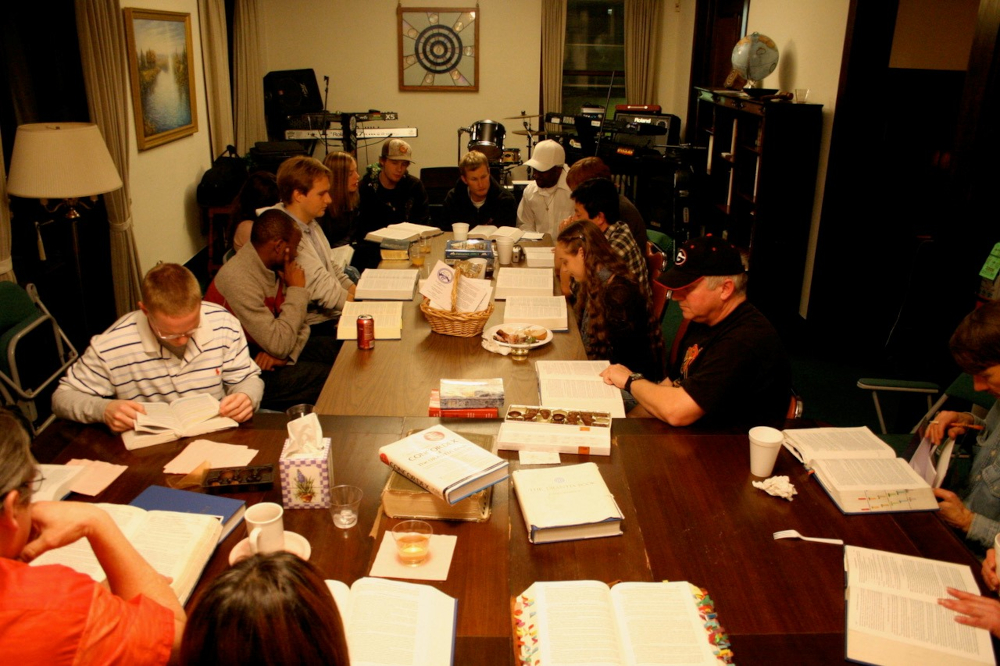
A few months ago, I was approached by Phillip Marriot, of the Urantia Association’s Study Group Committee, with a special request: to translate the newly updated Study Group Guide into Portuguese. The Portuguese translation is now available here.
As I worked on this project, I was struck by the guide’s excellent instructions for organizing both in-person and online study groups. Yet, I found it overlooked a format that has rapidly become the most prevalent and impactful study groups in our Urantia community: The study group platforms on Facebook, WhatsApp, and Telegram.
These community-based online study groups have emerged as exceptionally effective spaces for Urantia Book readers and truth seekers. By leveraging the flexibility and global reach of social media, participants from around the world can join discussions according to their own schedules. When thoughtfully managed, with dedicated moderators who nurture deep, respectful study and conversation, these groups can accommodate unlimited numbers of readers, creating a welcoming environment for both newcomers and long-time students of The Urantia Book.
One of the most significant advantages of these platforms is their ability to break down language barriers. Features such as Facebook’s automatic posts and comments translation make participation seamless, inviting truth-seekers from diverse backgrounds to connect and learn. These groups also serve as critical outreach tools, introducing The Urantia Book to individuals who might not otherwise encounter its teachings.
The success of study groups on platforms like Facebook hinges on wise and thoughtful leadership. Active administrators and facilitators must post regularly, respond to questions, and share relevant content from the book, fostering consistent engagement. An open and accessible group environment is essential for growth, enabling anyone interested in spiritual topics to join, share perspectives, and build community.
Behind the vitality of these groups is a core team of experienced and knowledgeable readers. Their active participation in debates, clarification of concepts, and enrichment of discussions with insights from science, astronomy, history, or archaeology help support and illuminate The Urantia Book’s teachings. Social media groups also serve as hubs for sharing information about events, conferences, and meetings hosted on platforms like Zoom, further expanding their reach and impact.
These strategies have fueled remarkable growth in our own Facebook group, “El Libro de Urantia – Verdades Reveladas,” which now boasts 42,000 members. Many join quietly, absorbing information without frequent active participation, yet their presence and engagement are genuine. This pattern mirrors what we see in live Zoom study groups, where most attendees prefer to listen. Creating a welcoming, nonjudgmental atmosphere is crucial, allowing everyone to contribute at their comfort level. Moderators should encourage respectful and open expression, intervening only when necessary to maintain a positive and focused environment.
Managing these large, diverse online communities requires wisdom and empathy, particularly in responding to those with deeply held beliefs. Approaching their questions thoughtfully can foster open-mindedness, often leading them to embrace the revealed truths of The Urantia Book. Many such participants become enthusiastic and sincere readers, enriching the community further.
The continued success of live and interactive online study groups—especially those meeting on platforms like Zoom—relies on being welcoming, free, and accessible to all. Sharing invitations within these community groups is invaluable for encouraging broader participation. Over the past decade, I have been part of the Latin American Study Group on Zoom, a dynamic and inclusive group where experienced Spanish-speaking readers deepen our understanding through their expertise in history, religion, geography, and philosophy. I am profoundly grateful to the Father for the faithful team of friends that collaborate year after year to continually serve our study group and community, sharing their personal studies, administering the groups, facilitating the meetings, and constantly contributing to our collective growth. To every member and participant, thank you for your service and perseverance—without each of you, none of this would be possible.