


An Interview with David Kantor
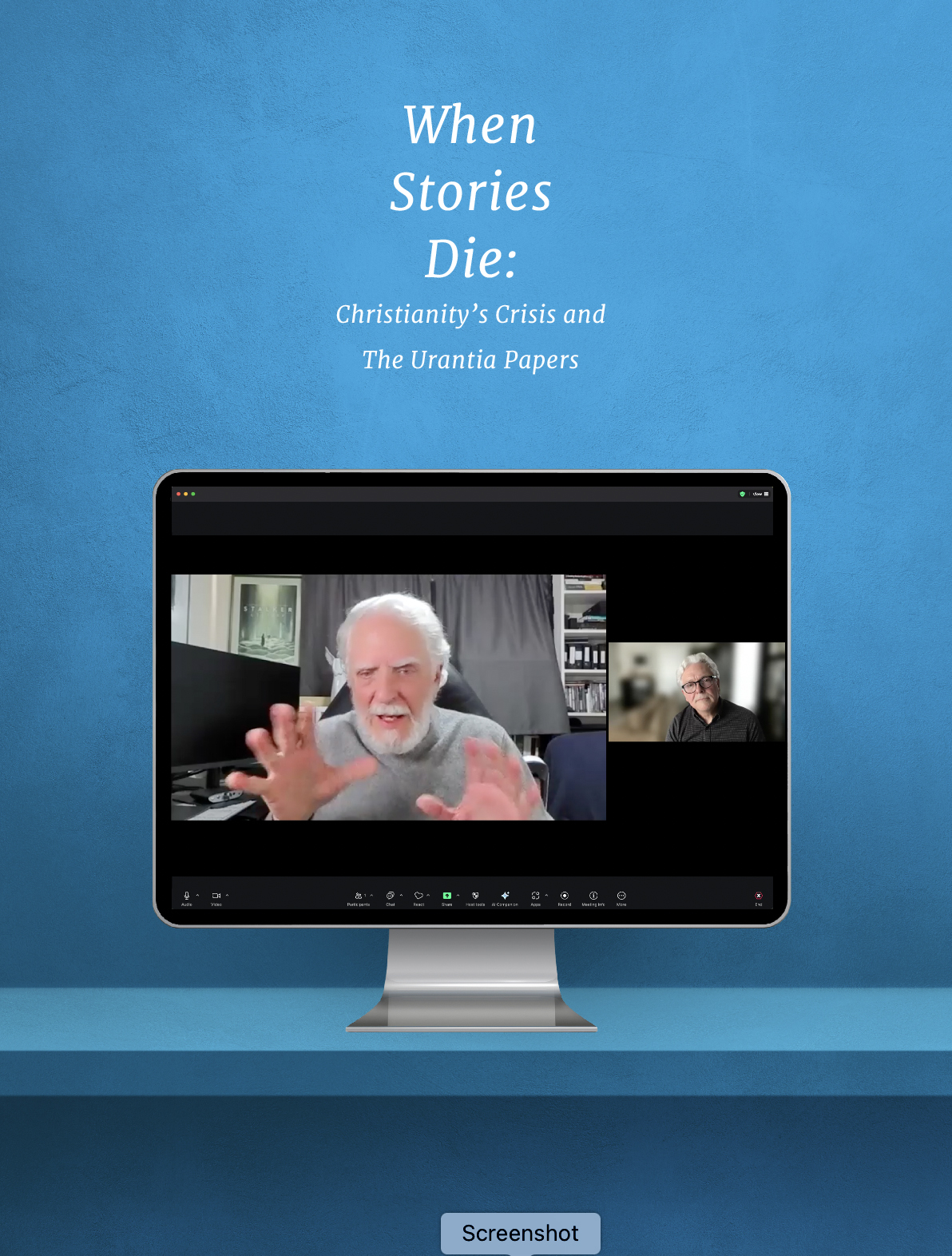
RICHARD JERNIGAN: So first of all, David, can you give us a little background about yourself as a student of The Urantia Book?
DAVID KANTOR: Well, I started reading The Urantia Book in 1966, and I’ve been pretty well immersed in it ever since. It’s been a great adventure. I’ve been involved in the social infrastructure side, study groups, conferences, administration. It’s been really great. I think looking back, one of the best things that’s happened has been the people that I’ve met as a result of reading The Urantia Book. Individuals.
RICHARD JERNIGAN: So what faith tradition were you raised in?
DAVID KANTOR: Well, I come from a long line of missionaries going back at least five generations. My parents worked for a mission in California to migrant farm laborers, a mission that had been set up when people were coming out of the Dust Bowl era and looking for agricultural work in California. They were evangelical, non-denominational, close to Southern Baptist. Very conservative and rigid theologically. My father was a graduate of Moody Bible Institute, so he had that whole Dwight Moody orientation to evangelicalism.
RICHARD JERNIGAN: So, let’s talk about your film. What was the original impetus for doing your film When Stories Die: Christianity’s Crisis and The Urantia Papers?
DAVID KANTOR: Well, when I found The Urantia Book, I was totally blown away. I think I read the whole book in a month, first time through, and I knew at that time that my entire adult life was going to be oriented to this revelation. And at that point in my prayer life, I kind of made an agreement that I’m going to work with this thing and before I die I’m going to write an introduction to it. It just turned out to be a film instead of a book, and I could do it relative to the situation that exists now. So, it’s been percolating in the background forever.
RICHARD JERNIGAN: But you had done one film, Re-imagining Jesus. And that was completed about 10 years ago. And then something attracted you to do this. I wouldn’t say it’s a follow up because it’s a whole different direction. What got you interested in it?
DAVID KANTOR: Well, it was about 2000 when I decided I needed to do the film work. And I thought I’d do two films, one about Jesus, which was Re-imagining Jesus, and then one about the book. So I wanted to do those two films and I started on this one in 2017. And one of the things I was concerned about at the time was I felt that leadership especially and the readership overall were proceeding without a whole lot of background in the context, the evolutionary context into which the revelation has been dropped. And so I thought that would be a good tack—to try to illuminate the context so people would have a better sense of why we got the revelation and where we are relative to the unfolding on our planet.
RICHARD JERNIGAN: So, it sounds like your original audience in mind was the readership.
DAVID KANTOR: Readership actually is number one. I really wanted to communicate to the readership, but I also want to communicate to people who have heard about the book, who want to know something about it. They’re kind of in that fringe of truth seekers in Christianity. Paul exploited that fringe in the synagogue, if you’ll remember The Urantia Book talks about a fringe of truth seekers in the synagogues. And I think there’s that fringe of truth seekers in Christianity today, and I want to try to expose them to The Urantia Book.
RICHARD JERNIGAN: It’s certainly a fascinating encapsulation of Christian history. It’s outstanding in that regard. Just thinking about the title of it, why did you choose this title?
DAVID KANTOR: I really wanted it to be provocative. And in the literature, magazines, websites, Facebook pages of people who are in that demographic that I just described, the crisis of Christianity is a big topic. I mean, Joseph Ratzinger, Pope Benedict even wrote a book about it. If you Google “Christianity’s crisis,” you’ll be amazed at the conversation that’s going on out there. And one of the problems is that people who are trying to create solutions tend to want to go back. They think, “Oh, it was good back here. We have to get back to living like original Christians. We have to get back to the tradition.” It’s always a looking back and I wanted the film to have a view that’s looking forward, there are solutions forward.
RICHARD JERNIGAN: As you did the research for this film, what surprises did you encounter?
DAVID KANTOR: Oh, I think the most significant one was the role that the Irish played. I was not aware of that. And then I picked up the book How the Irish Saved Civilization, and that’s a remarkable read. It really opened my eyes to this whole process of the Irish coming into Europe from the west and missionaries coming out from Rome from the east, operating on that chaos in Europe.
RICHARD JERNIGAN: Christianity has such a complex history. For many of us who grow up in a Christian tradition its history seemed clear-cut, and everybody knew what they were doing and everybody was unified except for an occasional heretic. But it’s complex and you address much of that.
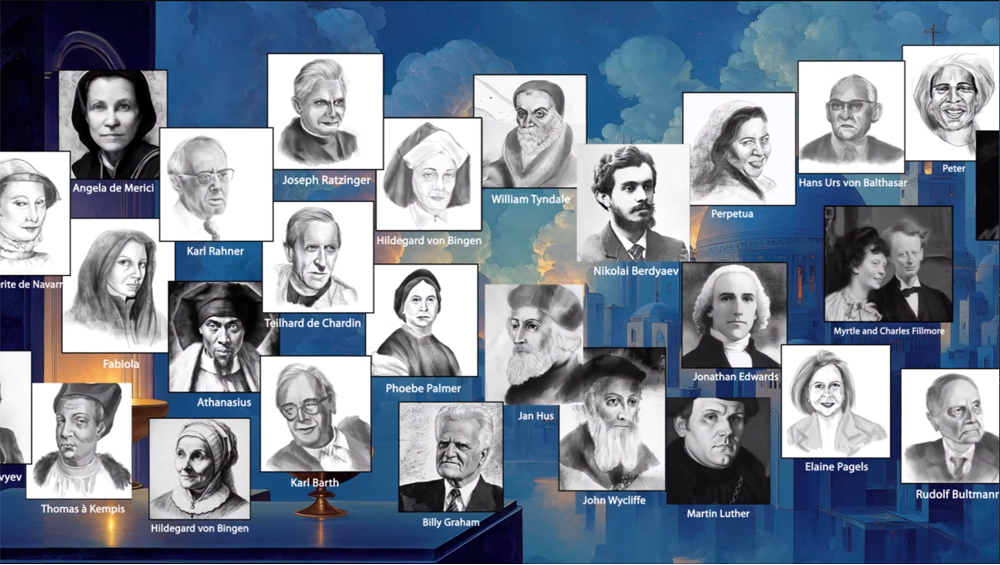
DAVID KANTOR: Well, you’re certainly spot on there with recognizing the complexity. History’s interesting and to get a picture of it I look at it as one of those connect the dot things you did when you were a kid. You can connect those dots in a whole variety of ways. And with a study of Christianity, you can study the history of doctrine, the history of the church. I wanted to try to pick out a thread that would show the function of the Spirit of Truth working through all of this through the lives of men and women. And I was hopeful that the film would help build a sense of identity with Urantia Book readers to think, “Oh, these are our people. This is our real culture.” I wanted to try to get that sense worked in there.
RICHARD JERNIGAN: And you do that very well because that’s often something that can be lacking. It can be an “us vs. them” sort of thing with Urantia Book readers and Christianity. And really we’re all in the same boat very much and we’re all attracted to the same Jesus. There may be some different stories and such, but many of the interpretations that The Urantia Book has about Jesus I will find often in Protestantism and Catholicism, trying to get at what is the religion of Jesus as opposed to about Jesus. There are very sincere Christians courageously struggling with that. And I did notice that in your film the Spirit of Truth is a thread.
DAVID KANTOR: I see this interplay between the institutional church, especially early on, trying to stabilize things. And even today, institutional Christianity is trying to stabilize things, but you’ve got the Spirit of Truth working through men and women, and people are talking to God, and they’re being directed, guided to do things. So you have the Spirit of Truth constantly throwing rocks into the pond and waves are rippling out, this other side over here is trying to stabilize it. And I really see that as the fundamental dynamic.
RICHARD JERNIGAN: You had so much historical material to work with. How did you decide what to keep, what to put in?
DAVID KANTOR: Well, yes, I did have a lot of material. The way I like to work is to generate far more material than I need, more resources than I need. And then get to a point where I say, okay, time to pull it together and get the cream of the crop and finish it. It’s not like when you’re in the sixth grade and you’ve got a 200-word essay to do and you’re trying to stretch paragraphs. My original script for the film was 300 pages and the finished film was about 28 pages. So, I generated a lot of material, which down the road I may use. I thought of doing some small little one-topic podcast things. Maybe for the future.
RICHARD JERNIGAN: Did you talk with scholars during this process?
DAVID KANTOR: I did not actually. I talked with a lot of priests and ministers. I spent a lot of time in Denver area churches and shot a lot of stained glass that I was going to use in the film. I had permission to be in the churches and permission to do the photography. But when I got down to working on it, I found out that with contemporary stained glass works, I had to have permission from the creators of the glass pieces. They owned the rights and I kind of had to abandon that whole tack. But I had a lot of good conversations with ministers mostly. I used books. I added probably a hundred volumes to my library doing this. I watched a lot of movies. I watch at least one movie every night and have for the last eight years. I also did a lot of research on film itself, philosophy of film. I took master classes from people like Ken Burns and Martin Scorsese, Werner Herzog. Masterclass is wonderful. For a hundred dollars a year you have access to classes from all these amazing people. So, I drew from a lot of sources.
RICHARD JERNIGAN: One thing that you seem to dig up was some very intriguing material about the role of women in Christian history. How did you go about uncovering that?
DAVID KANTOR: Well, it was Professor Google. Just Google something like “influential Christian women in the fourth century” and you get a lot of stuff. And I just went through and did that for all the different periods in the film and tried to pull out some that were representative of what was happening with women during those times. They’ve done a lot and they really were repressed largely by the church for a long time. And still today, women can’t take on holy orders in the Catholic church. So, there’s this whole thing in the culture that women aren’t quite as good as men. It wasn’t until the 19th century that European universities began admitting women, and that’s because the women in America had gotten together and created their own university. Europeans had to take note. So yeah, there’s some amazing stories of women’s contributions.
RICHARD JERNIGAN: Another thread in your film is the notion of the religion of personal experience. You really magnify that. Tell me about your thinking on that. What were you doing?
DAVID KANTOR: Well, I see the religion of personal experience as a bridge between our mortal lives and our spiritual benefactors. There needs to be a way for our spiritual insight to actually have repercussions out in the real world, the world of sociopolitical religious activity. And I feel like cultivating personal spiritual experience opens up a channel. It provides a bridge in my own experience, especially working on the film, that there’s a whole area of learning how to work with our spiritual benefactors, of learning how to work with personal revelation, if you will. There’s a whole process there of learning how to sort things out from your own psychological and emotional antecedents to “what is guidance?” I mean, they’re not going to tell you, “go out and do this, this, and this,” but you get guidance, as The Urantia Book says, the Spirit of Truth will always speak, “This is the way.” And it’s learning how to cultivate that consciousness when you’re working and serving. If you were out working in a homeless shelter, you could do that same thing. You’re praying, you’re trying to figure out “How do I help these people?” When you get into that super-conscious state where you’re merging all of your resources, desiring to do the Father’s will, there’s a process there of discovery and recognition of values. So that’s a part of cultivating personal spiritual experience. It’s some action there, some work, and evolution.
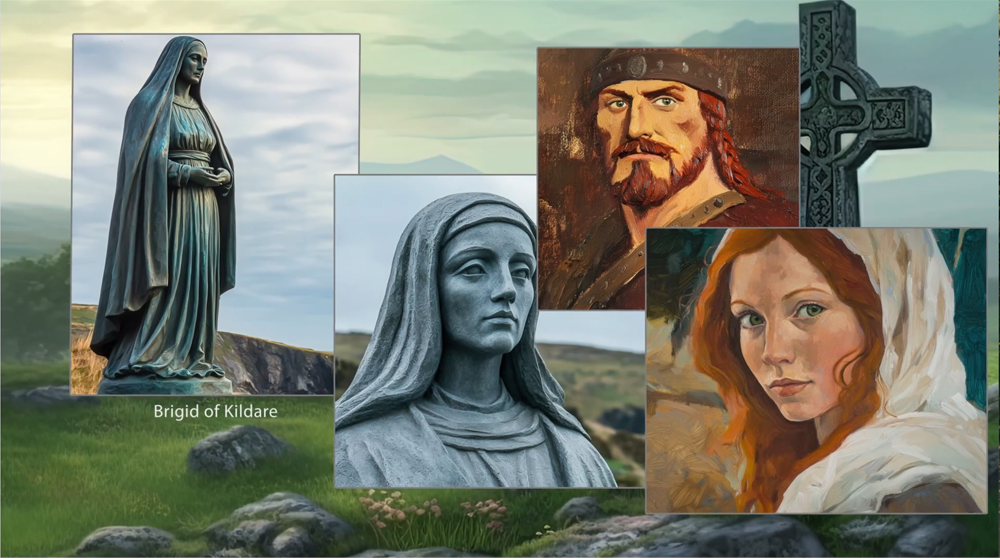
RICHARD JERNIGAN: It seems like you were detecting that over and over men and women were trying to move the religion of Jesus forward, if you know what I’m saying. Many times you used that actual terminology in some of the individuals you’re talking about, “the religion of Jesus.”
DAVID KANTOR: Well, I really wanted the Spirit of Truth to be the protagonist in the film. And the Spirit of Truth is an amazing thing to spend some time thinking about and looking at. Here’s the spirit of our creator son who’s still here on the planet, trying to move things forward. And it’s progressive. The degree to which the Spirit of Truth can impact what’s going on in the environment is a function of people willing to work with the Spirit of Truth. It has to be done by human beings. And a lot of progress I think has been made over the centuries in terms of the presence of the Spirit of Truth. I feel like today, and this was a big part that I was trying to do in the film, the Spirit of Truth is really alive out there in evangelicalism, in Pentecostalism. People experience the presence of the spirit, but there’s not a connection to the outer world. There’s no story to explain what does this mean, what are the implications, what are the implications for my life, the fact that I can experience the presence of the spirit? I really see that the stage has been set for the Urantia revelation. People have that spirituality, but they need the story. And that’s kind of what I was working toward.
RICHARD JERNIGAN: So what choices did you make in mentioning The Urantia Book in the film?
DAVID KANTOR: I wanted to keep it low key. I picked up somewhere along the line what I call the 80% rule, and that is if you want to teach something new to people or get them to recognize something new, you need to make sure that at least 80% of what you tell them are things that they already believe to be true and agree with. And then it’s much easier psychologically for them to pick up what’s new. So I wanted to do that in the film. I didn’t want it to be a hard sell. I wanted it to be just kind of low key, but at the same time expose it in the context of what had gone before. I used “Urantia Papers” because even the revelators referred to them as the Papers. I see “The Urantia Book” as a commercial product, looking at it in terms of doing the film. I wanted to focus on the papers themselves, and I didn’t want to get into any readership, infrastructure, reader, institutions, anything. I just wanted it to be an exposure of The Urantia Papers.
RICHARD JERNIGAN: And I think that’s a very good choice. Originally it was The Urantia Papers and in order to get it out there, it became a book. That was a very good call.
DAVID KANTOR: I like “Papers.” If it’s “The Urantia Book” it sounds like a book promotion, but Urantia Papers, there’s a little bit of mystery there. It’s like the movie, The Ipcress File, what’s going on here? Try to keep their curiosity.
RICHARD JERNIGAN: At the end you selected some quotes. Tell me about selecting those because it was a tough selection to make, it sounds like.
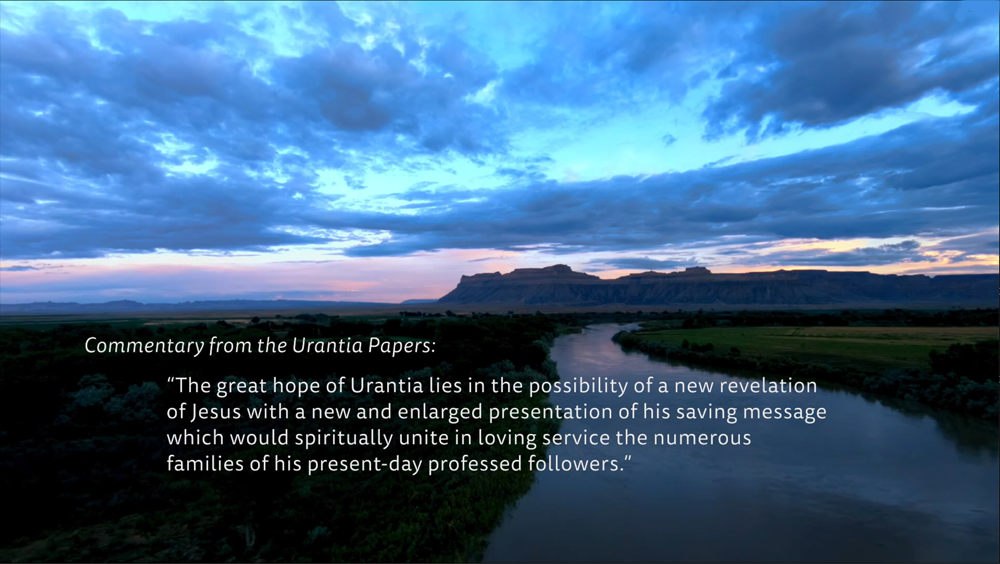
DAVID KANTOR: Well, that’s the only place in the film where I strayed into Urantia politics because in the Fellowship and also in the Foundation, the trustees, there seems to be some apprehension about Christianity. And I know I fought in the Fellowship for 20 years about representing Jesus. “No, we don’t want Jesus on the front page of the website, keep it in the background.” “No, it’s not a Christian text.” And I just wanted to throw those quotes out there so people would have to look at them. And how can you argue with those? The most significant one of all in preference is the last one, that what a blessing it would be if through this revelation, the family of believers could be united around the gospel of Jesus. That’s a wonderful vision, and that’s a vision that the midwayers have. I think it’s important for us to recognize that.
RICHARD JERNIGAN: You did some magnificent artwork in this film. I mean, it is very original. It’s very non-literal. What was your process or evolution? You mentioned the stained glass windows, but tell us how you came to where you ended up.
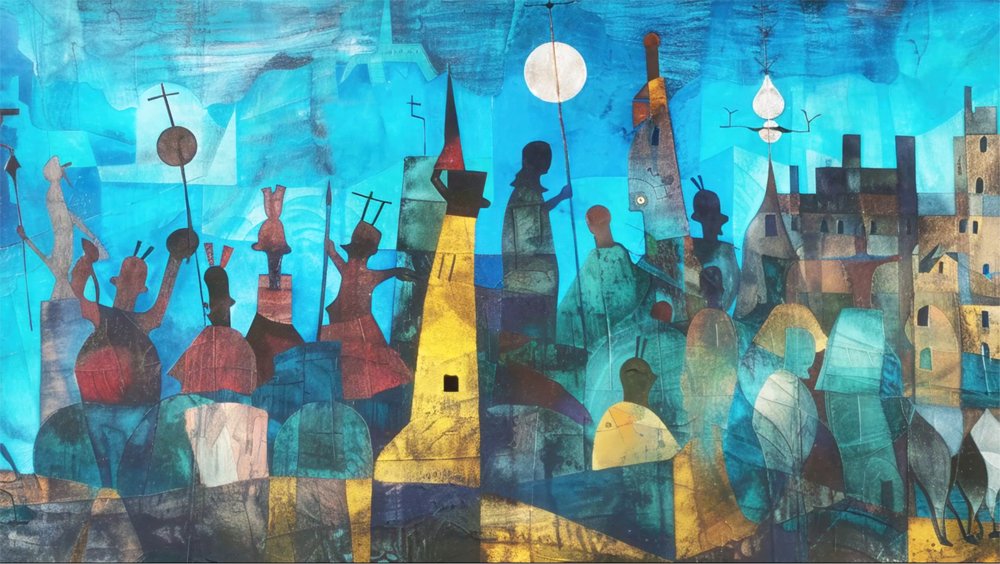
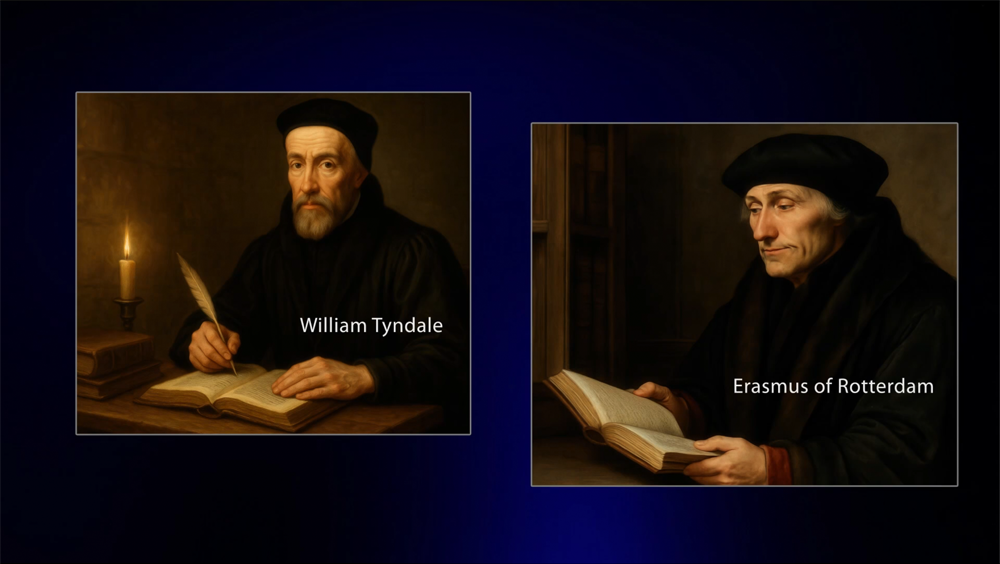
DAVID KANTOR: Well, thank you. Yeah, it’s a process, as you know, and very much it’s my process. I understand the Hollywood system, read a lot of background on philosophy of film, and we take from that and develop our own. What I wanted to do in the film was use classical art just to link to the heritage. Those are images that a lot of people already have associations with, and I wanted to be able to go from there into more abstraction. I used some classical abstract art, but generated a lot with Midjourney, which I love. But I wanted the whole film to be anchored in footage of nature scenes. Nature was the foundation here, we have human classical art, and then we have this abstraction that takes us into our thinking and our own generation of imagery. I wanted to lay out the film so that it had some respiration between the natural, the nature footage as mental resting places, and then go out into some abstraction and come back into a resting place. So that is a low frequency pulse through the film.
RICHARD JERNIGAN: Using something like Midjourney the more insight you have about the various genres of the history of art and such, the more you can talk to it. What were some of your prompts?
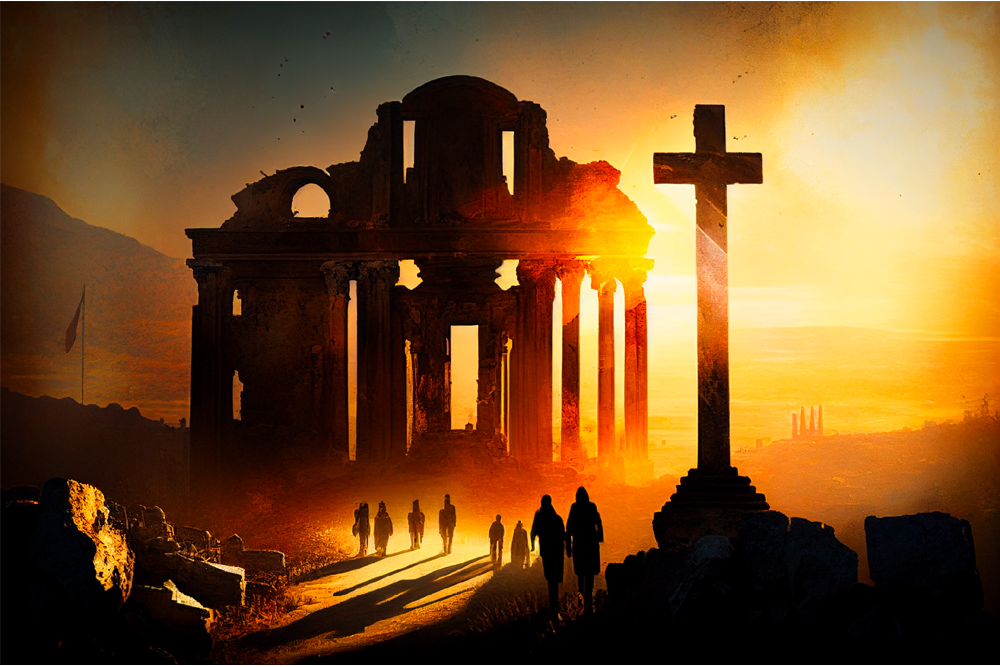
DAVID KANTOR: Oh, well, I do have a background in the history of art, not as much as I’d like, but I have some consciousness there. I had thought originally that as I did the film, I would use artwork from the different periods that reflected those different periods and then use artists. But in terms of prompts, just using an artist’s name, describe what it is that you want, and then “in the style of Fra Angelico,” and it works. I’ve used this kind of thing before “in the style of Fra Angelico influenced by Sid Mead and Blade Runner,” and that’ll generate some really unique imagery that pulls from both of those genres and artists. It’s just really fun to play with that and see what AI churns out.
RICHARD JERNIGAN: Sure. And you have a consistency in there too. The artwork was consistent stylistically,
DAVID KANTOR: And that’s important to me to have some consistency there. And you can do that with Midjourney. With Midjourney, you enter a prompt and you get four images back and you can pick the one you want, and then you can manipulate that. You can manipulate it radically or lightly. You can remove pieces. So when you do that, you can regenerate it so it comes back a little bit like the first one, but a little bit different. So that gives you a sequence of three or four images. It give you some nice continuity in the film. One of the places where I used that was in the part about Marguerite Porete, I was able to create her and then take her from being a young nun to being an old woman ready to be executed, and I could keep the sense of her through that. So it appeared to be close to the same person through those years. A lot of potential there. We’re just scratching the surface with these resources.
RICHARD JERNIGAN: It’s remarkable. I noticed when you get in more into the 20th century, you’re able to access some archives and you got more photographs to work with.
DAVID KANTOR: I wanted to tell the story, but in terms of constructing the film, once I get into the 20th century, I have a lot more issues with rights and also getting footage, video footage. I felt like the film reached a point where it could burst into live shots of, I mean, I love the Billy Graham sequence. It’s just like a shock. He hits you. “Who is Jesus?” It felt like being able to move into that footage just gave the film a lot more life and made it a lot more relevant to our situation today, our “lived-in world.”
RICHARD JERNIGAN: Who are some of the people that assisted you on this film?
DAVID KANTOR: Well, if I start mentioning names, I’m going to miss somebody. I have a network of people, and I’ve always thought networking is the way to work rather than have an organization with job titles and things—just having a network. You helped me a lot. You were there to answer questions I had at several critical points. I really appreciated that. There’s oh, probably 20 people or so in my network who have experience in different areas. Michael Hill is a retired high school English teacher and he’s been great for helping with my script. Gerry Richie has a recording studio down in Fulton, California, and did post-production on my narration. Wonderful. A commercial artist here in Denver, Alexandra Taylor did all of the animated portraits for me—a network of people contributing. And financially also, there were, oh, 50 to 60 people contributed financially to getting the thing going. And that’s another big part of it. People who send in $25 a month get those auto debits going, and before you know it, you’ve got enough resources out there to get some serious work done. So a lot of people, and I’m grateful for each of them.
RICHARD JERNIGAN: Yeah, I didn’t want to put you on the spot there. I do know that there’s a lot of individuals that are contributing and such. So how did this doing this project change your perception of The Urantia Book and if so, how?
DAVID KANTOR: That’s a really important question, Richard, and it really made me think about who’s going to watch this movie, who’s going to listen to what I’m saying here and what’s the perspective that they’re looking from? And there’s been a huge shift coming out of the 20th century from modernism to postmodernism. You can read The Urantia Book in both ways. Modernism says this is an actual description of reality, this book. Postmodernism says, it’s impossible to know objective reality. Truth gets synthesized in the mind of every individual. And The Urantia Book is a story, granted, by celestial storytellers, but it’s about stimulating the formation of meanings and values, not just abstract knowledge. There are two very different ways of reading The Urantia Book there. Is it a description of absolute reality? Well, I think my personal sense is much more postmodern. Reality is so vast! The revelators themselves talk about universe frames and say, no matter what, it’s going to be erroneous.
So we kind of have to work with that vagueness. Interestingly, and just in the past 10 years, there’s been an emergence of something called transmodernism, which combines all of this. It takes the pre-modern view that God said this, so do it or die down through a modernism where rationality prevails. It says, oh, this is an actual description, like something which could be returned from a scientific experiment. And then we have postmodernism. And it says, well, it’s a narrative. It’s a story, and it functions as a myth in religious life. So there’s a whole range of things to consider there. And it just opened me up to that and I appreciated it. There’s a lot of freedom there in considering how the very way that we process reality has been evolving itself.
RICHARD JERNIGAN: So how does transmodernism fit into an understanding of The Urantia Book?
DAVID KANTOR: It’s kind of emerging out of postmodernism because postmodernism is thought to be too vague. And also there are people like Ken Wilbur and Steve McIntosh doing a lot of work in this area. The trend now is to seek synthesis: science, philosophy, and religion. Seek a synthesis of all these things, and that’s kind of the transmodern view that’s emerging. Yes, you can have a revelation from celestial beings. Yes, you fabricate truth in your own mind. All of this can be pulled together into a much more inclusive, philosophical perspective on what constitutes knowledge and truth. I think another piece of transmodernism is that the idea that truth is discovered while being engaged in reality, which it gets back to something I was saying earlier about service, the importance of service. We discover truth when we’re actually engaged in reality. It’s that Kierkegaardian commitment. You don’t get anywhere unless you’re committed. Once you commit, now you’re on the path to revelation.
RICHARD JERNIGAN: What plans do you have for getting this film out?
DAVID KANTOR: Well, you know how it is. I suspect you’re a lot like me, seeing a lot of things that can be done, but there’s the commitment, resources, time, money.
I’m sneaking up on 80 years old, can I do another eight year project? I still have a lot of cleanup work to do on the film. I just got the Spanish subtitled translation that I need to get in there. I have to do artwork to get it up on Amazon Prime. I’m going to do a run of DVDs for Baker and Taylor. They have a special DVD distribution to seminary libraries. I want to get some DVDs out to them. My prayer is always help me see the next step. There’s so many different directions that we can move in. What’s most important given limited time and resources, help me see that next step.
I took a break here and wrote a book that I’m going to publish within a couple of weeks. I’ve been accumulating material as I did the film, and I just threw it into this little book and it doesn’t cost anything to self-publish on Amazon. So I’m going to get this little book out there, but that’s just a little break from the film work. I have thought if I did something else, another significant piece of work, I think there’s the possibility of another Copernicus moment in our history, and that’s when either NASA or Elon Musk come up with evidence that the universe is inhabited. There is intelligent life out there that’s going to shake things up, that’s really going to shake Christianity up. And so I’d like to do a trans-planetary Jesus. A lot of people have done really nice work on the life of Jesus over the last few years. I’d like to do one on the life of Jesus that goes from the Trinity and his origin down through his universe career, who he is as a Christ Michael, and bring that up to the time of the bestowal, but introduce a trans-planetary Jesus.
RICHARD JERNIGAN: What is your book?
DAVID KANTOR: It’s called Seed Flower Fruit, and the subtitle is “from the Kingdom of Heaven to the Supreme Being .” One of the things that I discovered along the way in doing the film was that in the fourth epochal revelation we have the Kingdom of Heaven. Jesus talked about the kingdom. In the fifth epochal revelation, it’s the Supreme. And the Supreme is the development of Jesus’ teaching about the kingdom. This is the fifth epochal revelation—amplification and development. And so the book is about that. It talks about how that has become part of the message. The book says, we’re supposed to proclaim the kingdom. If we follow the teachings of Jesus, one of them is proclaim the kingdom. Well, now we have this huge picture showing more of the kingdom than just our existential following of the teachings of Jesus in our personal relationships. Now, there’s this whole unfolding of the Supreme, and we’re a part of that. We are playing a role in the unfolding of deity, and it provides a nice vision for people. It gives them hope, structure: “Oh, I can be involved in this. When I struggle with love, with values, I’m contributing to the actualization of deity. My values are going to be a part of this deity that conquers the outer space levels.” There’s this whole vision about the meaning of our lives that I wanted to express there. It’s a short book, but it does express that.
RICHARD JERNIGAN: One last thing. How has this project changed you in your faith journey? But I think you have answered that in many other ways unless you had something specific.
DAVID KANTOR: It certainly has reinforced me. My faith journey is constructed around the revelation and getting it out, getting out there. My journey is trying to figure out how to do that, how to get people interested, and it’s just reinforced that.
RICHARD JERNIGAN: Well, thanks for taking this hour to talk about your journey and work.
DAVID KANTOR: It’s great to chat with you.
RICHARD JERNIGAN: Likewise. We should just do it again some other time just for fun. Thank you so much, and you have a great rest of your day.
DAVID KANTOR: You too.
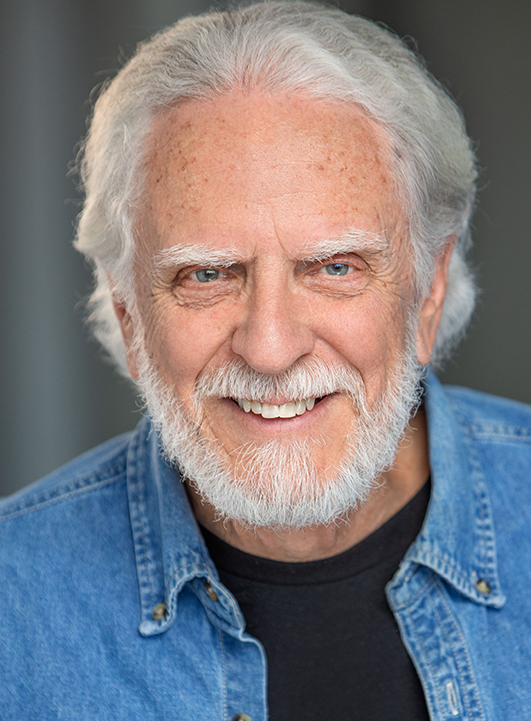
DAVID KANTOR has studied The Urantia Book since 1966. He has produced and directed two Urantia Book-themed features, Reimagining Jesus and When Stories Die. He recently published a book, Seed Flower Fruit. His films can be found on Vimeo and his book is on Amazon. David resides in Boulder, Colorado.
RICHARD JERNIGAN is Chief Editor of the UAI Journal.